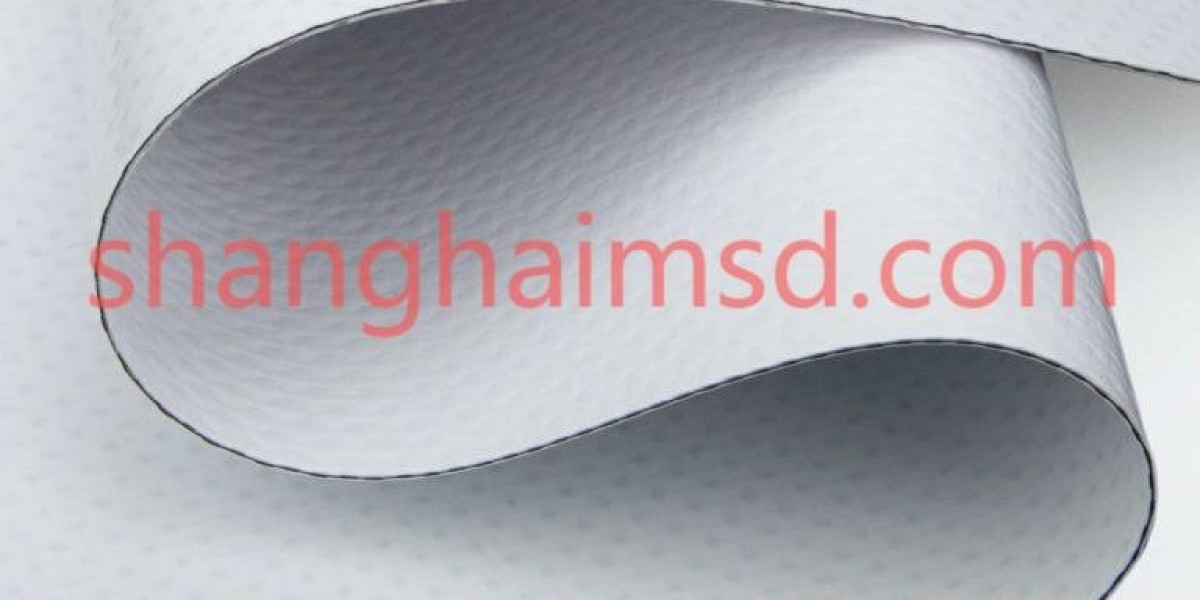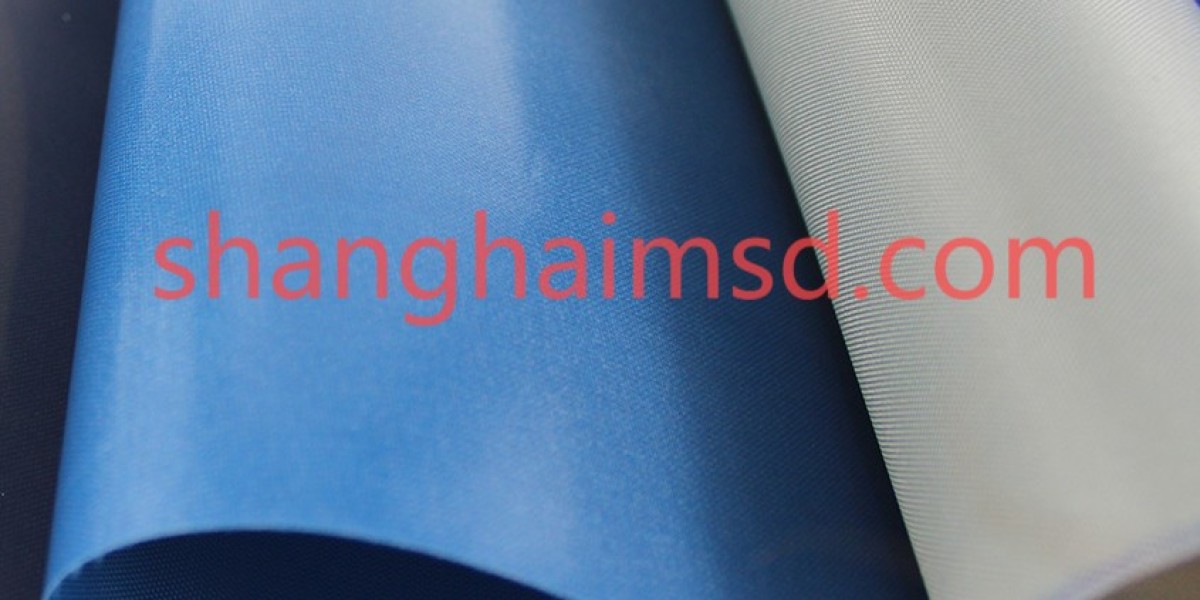

Visual communication is about more than placing words and images on a surface; it is about creating a clear message that people can recognize and remember. PVC Flex Banner offers businesses a versatile material for turning creative concepts into visible displays, while ShanghaiMsd connects material selection with the changing needs of printing, advertising, and commercial presentation. Whether a project involves an indoor promotional display or an outdoor advertising installation, choosing a suitable banner material can help bring the intended design into focus.
A well-planned display begins with understanding its purpose. Some campaigns require bold graphics that attract attention in busy public spaces, while others call for informative layouts that communicate details in an organized manner. The banner material becomes part of this visual process, providing a surface on which colors, typography, illustrations, and brand elements work together. When the material suits the intended printing method and installation environment, designers have a clearer foundation for developing their creative ideas.
Flexibility is another consideration in banner applications. Advertising projects can involve different display structures, installation methods, and presentation formats. From promotional backdrops to retail graphics and event signage, the material needs to fit the practical demands of the setting. Buyers may consider handling characteristics, surface appearance, printing compatibility, and installation requirements when comparing available options. Evaluating these factors together helps ensure that the chosen material supports the overall purpose of the display.
Printing quality also plays an important role in visual communication. Clear imagery, balanced colors, and readable text can influence how a message is received. Before selecting a banner material, businesses should consider the graphics they intend to reproduce and the printing process they plan to use. Artwork with detailed illustrations may have different requirements from a design built around large text and simple shapes. Matching material characteristics with the intended output can help create a more consistent presentation.
Different commercial settings bring different creative opportunities. Retailers may use printed banners to introduce seasonal collections, communicate promotional messages, or organize product areas. Event organizers can incorporate them into exhibition spaces, presentation backgrounds, and themed environments. Businesses preparing campaigns may also use banner graphics to maintain a recognizable visual identity across multiple locations. With thoughtful design and suitable material selection, these applications can support communication without making the surrounding space feel visually crowded.
Practical planning should extend beyond the printed surface. Installation conditions, storage arrangements, transportation, and handling can all affect how a banner fits into a project. A display intended for temporary use may require different considerations from one designed to remain in place for an extended period. Buyers should therefore discuss the intended environment and usage expectations before confirming their material choice. Such preparation can help align purchasing decisions with real project requirements.
Customization provides another way to connect material selection with individual design objectives. Different projects may call for specific widths, finishes, printing characteristics, or fabrication approaches. Communicating these preferences clearly helps suppliers understand the intended application and discuss suitable options. Rather than treating a banner as a simple background, businesses can consider how its dimensions, graphics, and placement contribute to the complete visual experience.
As advertising formats continue to adapt to new spaces and communication styles, flexible printed materials remain a useful part of commercial display planning. The key is to connect creative ambition with practical decisions, ensuring that each element contributes to a coherent message. Careful preparation, suitable material selection, and clear communication can help transform a preliminary concept into a display that reflects the character of a campaign.
Your next display could begin with a sketch, a color palette, or a message waiting for the right surface. Visit https://www.shanghaimsd.com/product/ to browse material possibilities, gather ideas for your upcoming project, and see how a thoughtful choice can help turn your visual concept into a tangible display.